Toy Warehouse
Company
Shop By Category
T&Cs
Shop Online
  • Box contents listed
  • Free tracked NZ-wide delivery over $175
  • 14-day returns

17 Key Kalimba | Thumb piano | Kalimba for beginners

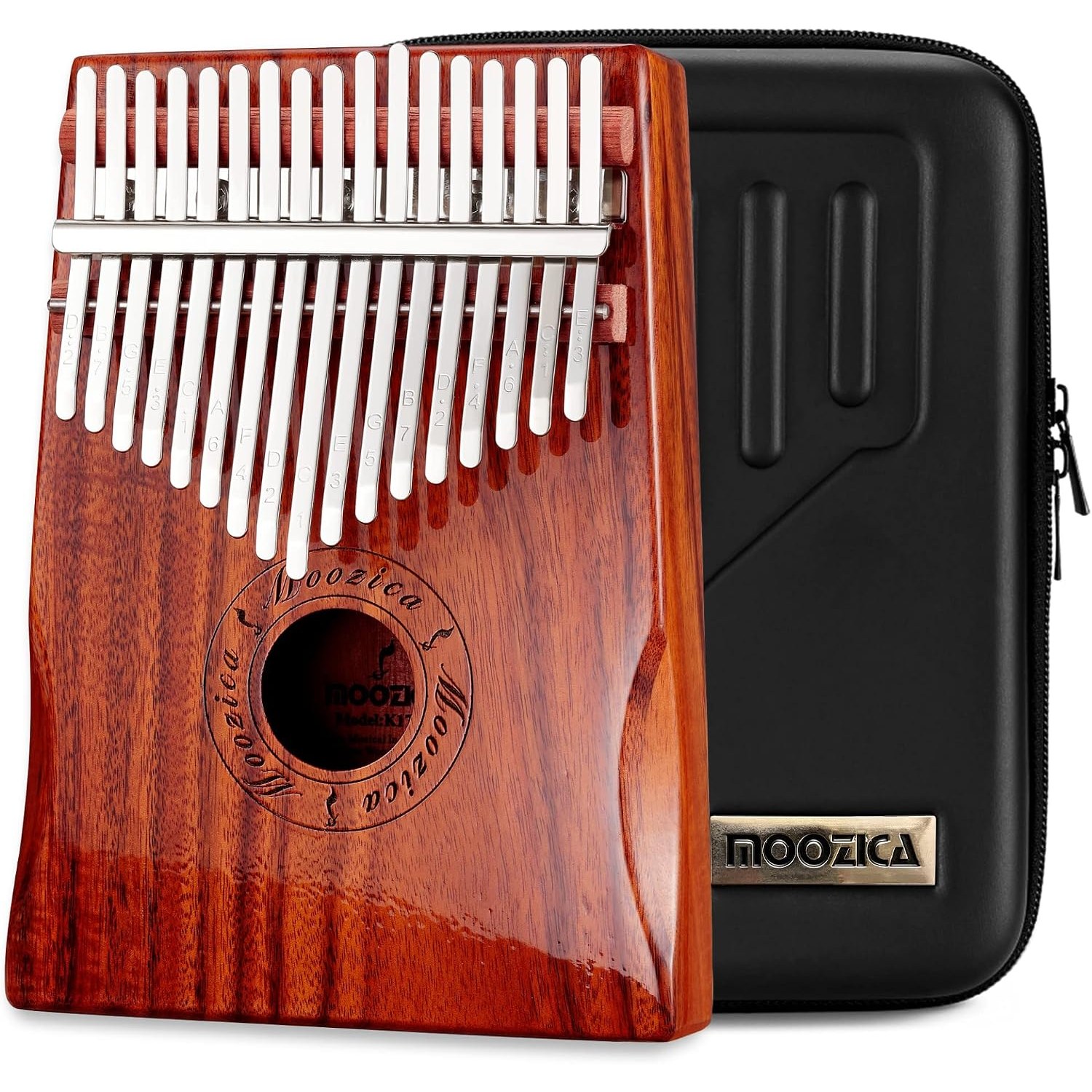
17 Key Koa Wood Kalimba Thumb Piano with Hard Case

$115.99 $138.99 Save $23
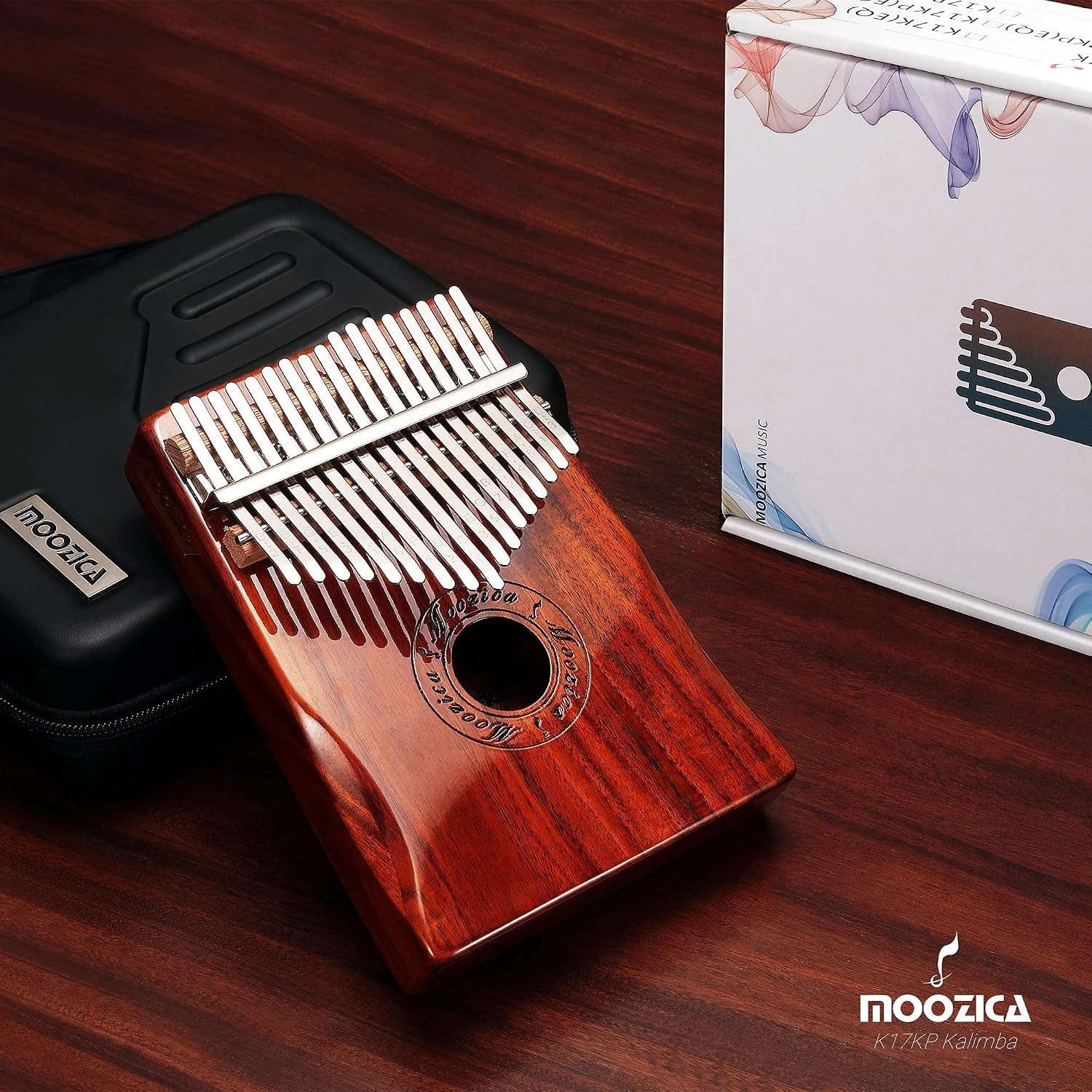
  • Solid Koa Body
  • 17 Metal Tines
  • Engraved Scale Marks
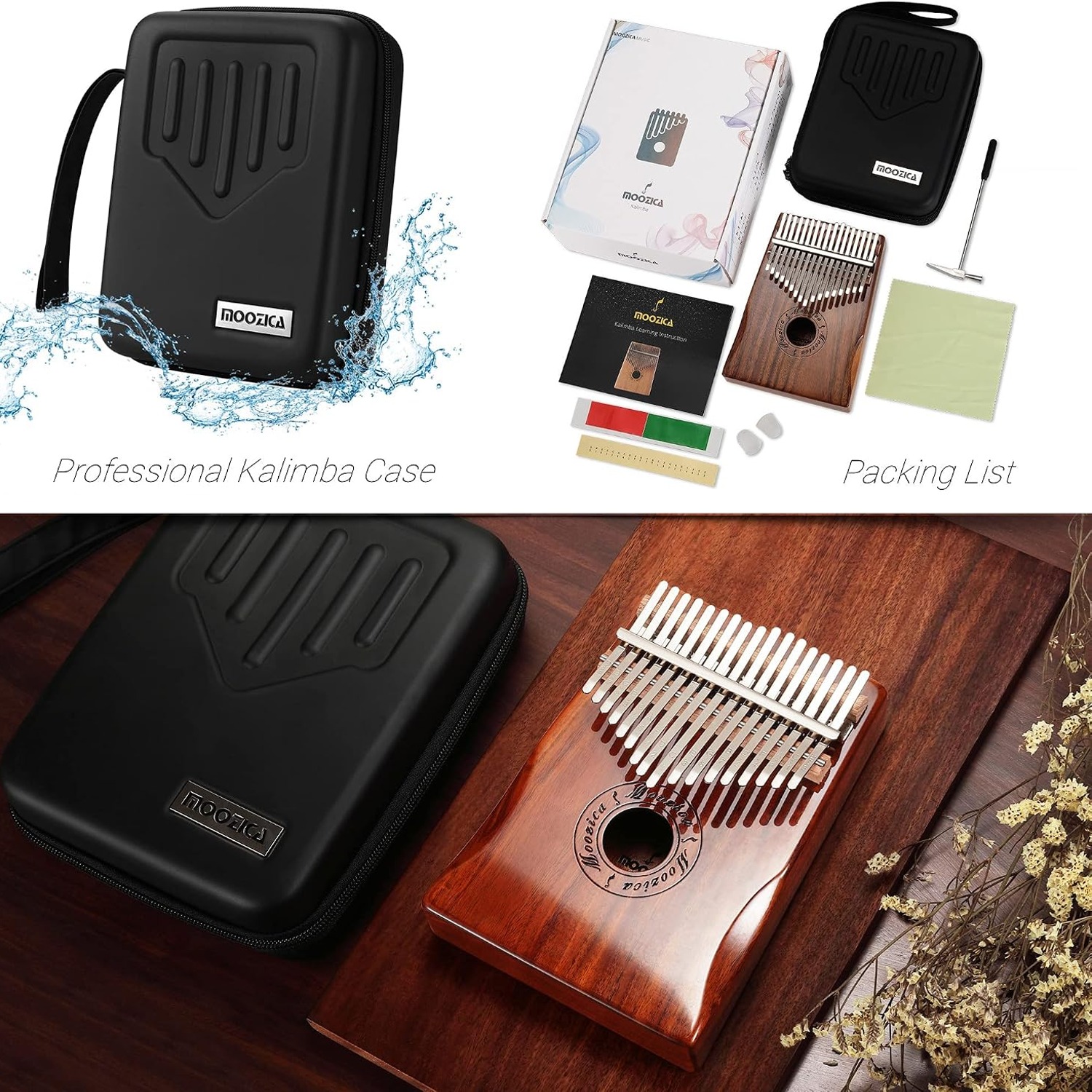
  • Hard Case Included

Price: $115.99 $138.99

  • Free tracked NZ-wide delivery on orders $175+, otherwise a flat $20
  • Pay by card or PayPal, handled by the payment provider
  • 14 days to change your mind, plus your statutory rights
Product specifications
BrandMoozica
Model NameKalimba
Part NumberK17KP
Keys17 metal tines
Body MaterialAcacia Koa Wood
MaterialAcacia Koa Wood
Finish TypeLacquered, high-gloss piano finish
Sound ProfileWarm and deep
ColourK17KP
Included ComponentsCase
ManufacturerMOOZICA
Country of OriginChina
Warranty3 Month Manufacturer
Shipping & returns

Tracked delivery anywhere in New Zealand. It is free on orders of $175 or more, and a flat $20 below that.

If it is not right for you, send it back within 14 days of delivery in resaleable condition and we refund the price you paid, including standard delivery. That is a voluntary policy we offer on top of your legal rights. You cover the cost of returning it unless the item is faulty.

If it arrives faulty, damaged or not as described, we put it right at no cost to you under the Consumer Guarantees Act 1993 and the Fair Trading Act 1986, return postage included.

Shipping details · Refunds and returns

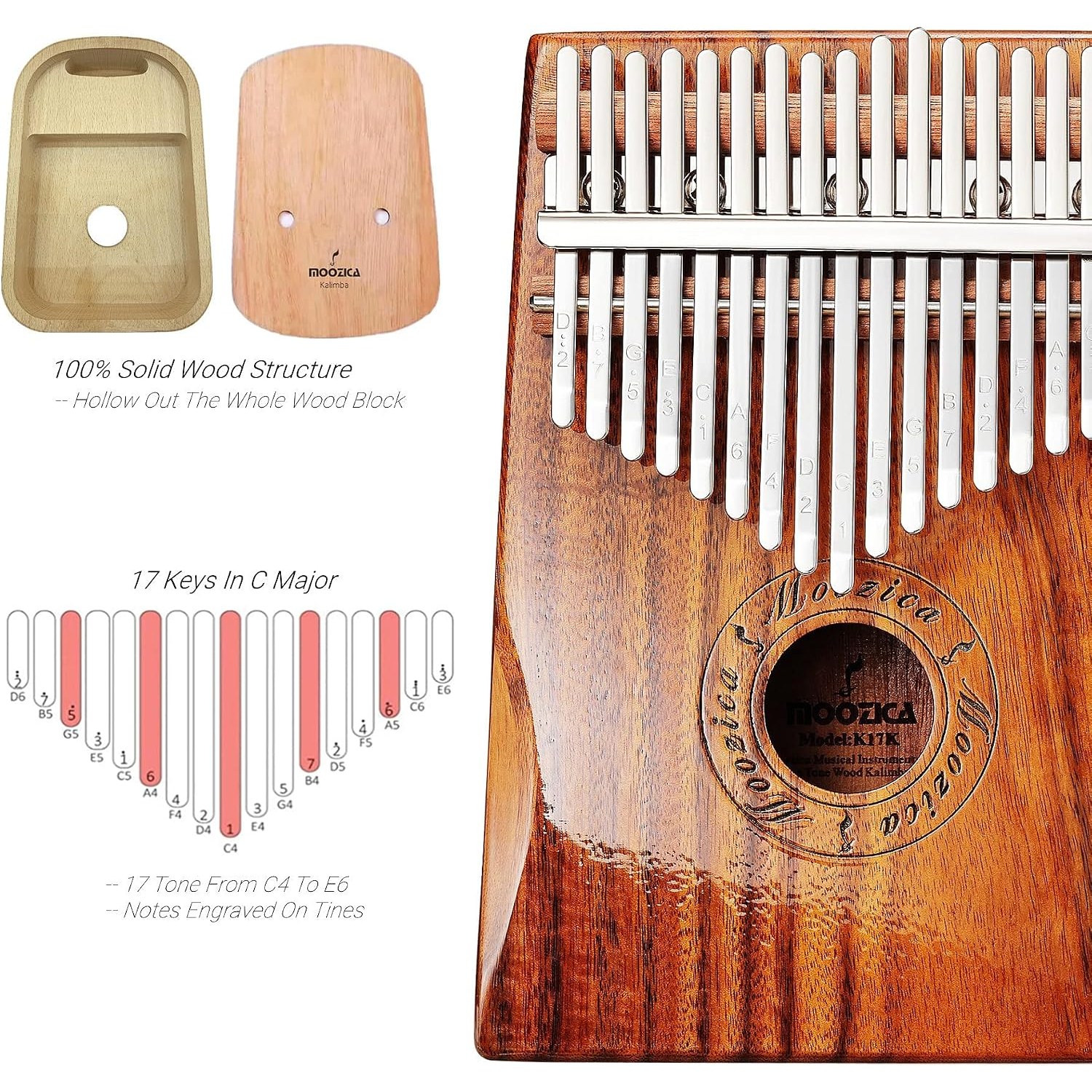
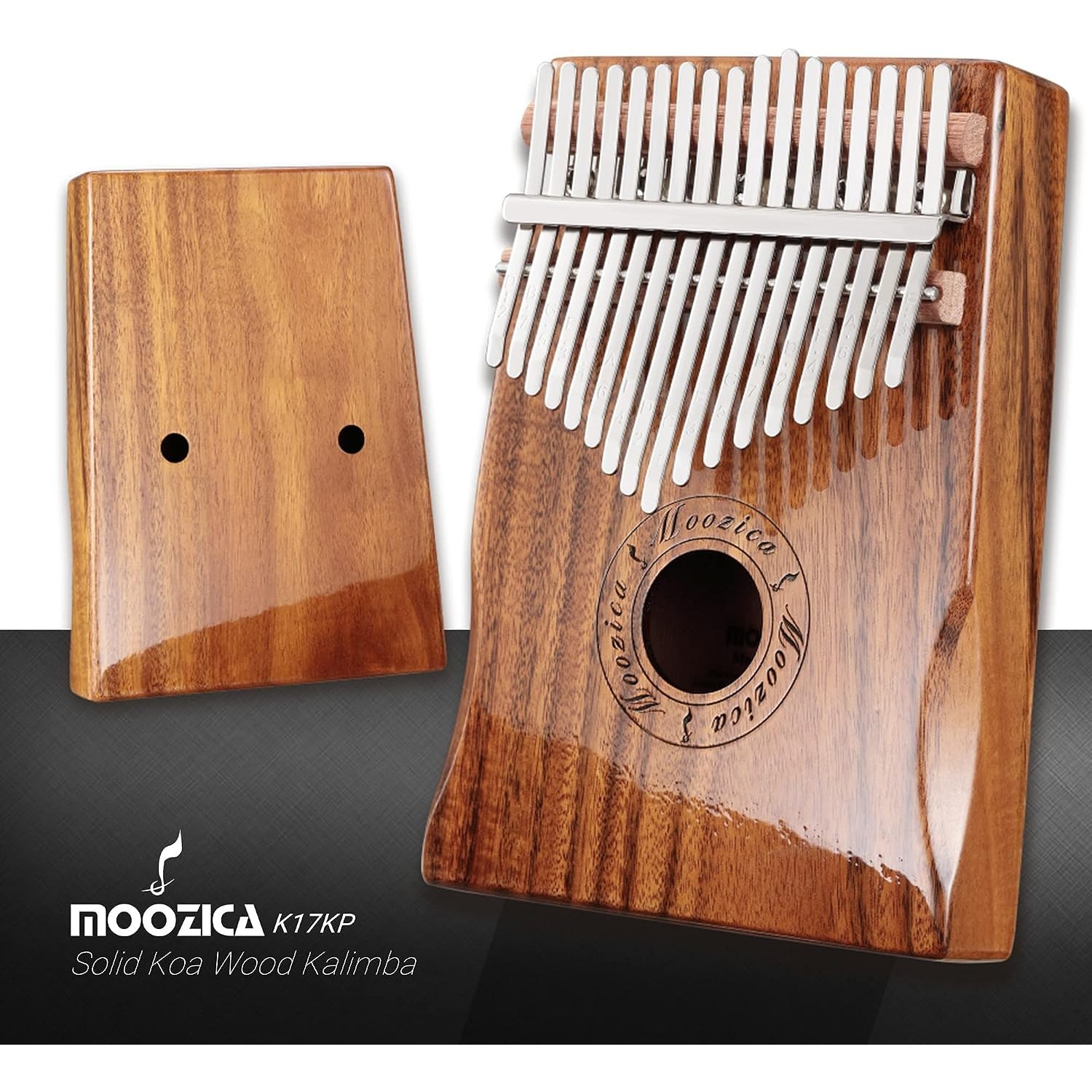
Solid Koa BodyHollowed from one block of acacia koa wood for a full, direct vibration.
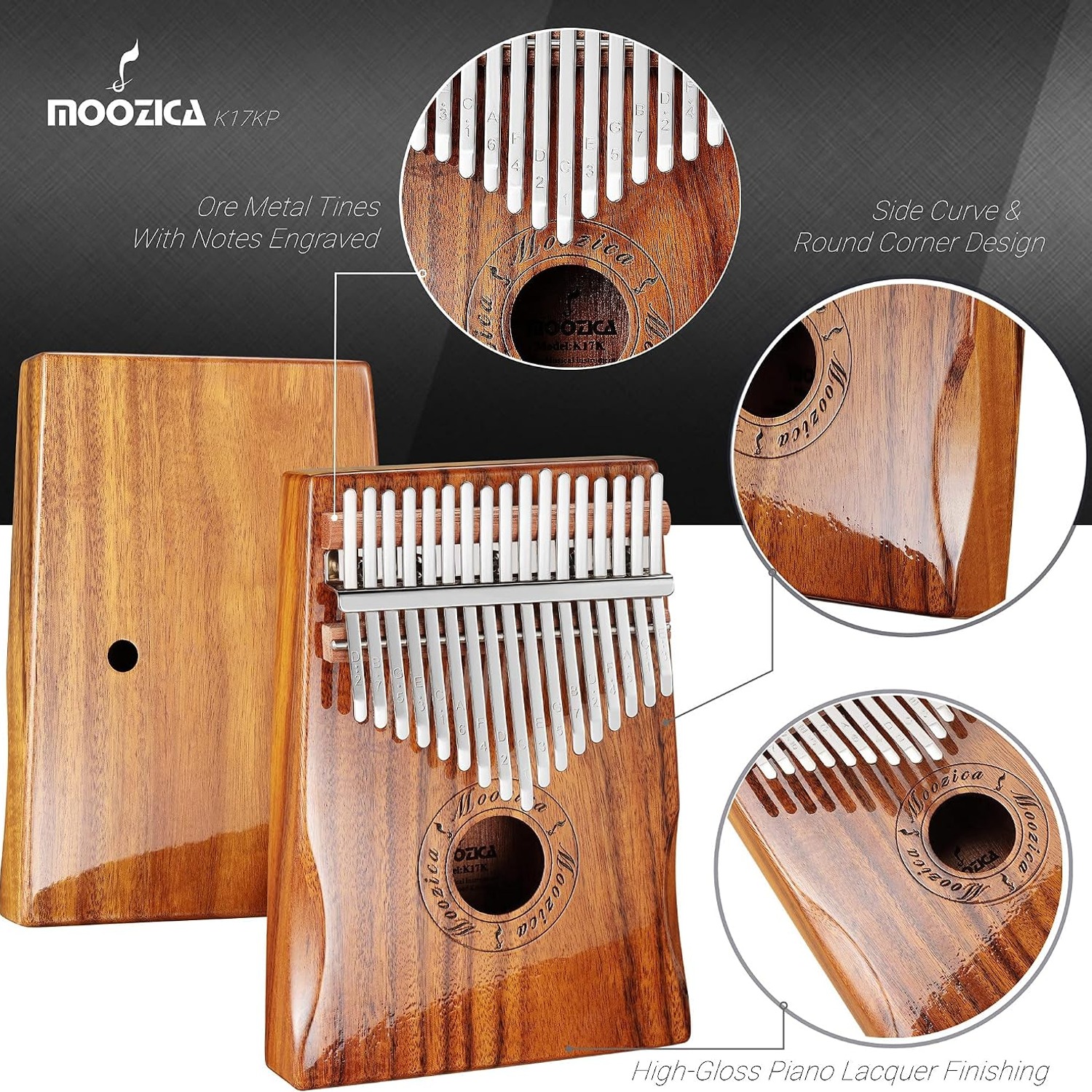
17 Metal TinesOre metal keys tuned for a warm and deep sound profile.
Engraved Scale MarksNote markings on every key so beginners can follow tabs straight away.
Hard Case IncludedA PU leather case keeps it safe in a bag or on a shelf.

A 17 key kalimba carved from solid koa wood, ready to turn five quiet minutes into a song you actually want to play.

Seventeen ore metal tines sit in a hollowed solid koa body with a high-gloss lacquer finish, scale numbers engraved on every key, a tremolo jingle chain and a PU leather hard case included.

A 17 key kalimba built from a single hollowed block of acacia koa wood, so the whole body rings instead of just the soundboard.

Seventeen ore metal tines give the warm and deep tone that makes a thumb piano so easy to listen to for long stretches.

Scale numbers are engraved into the keys, which means you can read beginner tabs on day one without memorising anything first.

A high-gloss piano lacquer finish and a shaped hand-rest curve make it comfortable to hold and pleasant to look at.

The included PU leather hard case, tremolo jingle chain and tuning accessories mean it is ready to play and ready to travel.

17 Key Koa Wood Kalimba Thumb Piano with Hard Case

The kalimba, also called a thumb piano or mbira, is one of the few instruments where the first sound you make is already a nice one. You hold the body in both hands, rest your thumbs on the metal tines and pluck. There is no bow technique to learn, no embouchure, no barre chords. This Moozica model has 17 keys, which is the size most players settle on because it covers enough range for real melodies while still fitting in one hand.

17 Key Koa Wood Kalimba Thumb Piano with Hard Case

What separates this one from a cheap plywood kalimba is the body. Moozica hollows a whole block of acacia koa wood rather than gluing panels together. A single piece of solid timber vibrates as one object, and you can hear it in the sustain. The listed sound profile is warm and deep, which is a fair description. Notes bloom rather than ping, and chords hold together instead of clashing.

17 Key Koa Wood Kalimba Thumb Piano with Hard Case

The finish is a high-gloss piano lacquer over the natural curly koa grain, with a curved hand-rest so the edge of the instrument does not dig into your palms during a long session. It is the kind of detail that only matters once you have played for twenty minutes straight, and then it matters a lot. Fingerprints wipe off the lacquer with a dry cloth.

17 Key Koa Wood Kalimba Thumb Piano with Hard Case

Every tine has its scale number engraved on it. That single feature is the reason this is a sensible kalimba for beginners. Nearly all kalimba tabs online are written in numbers, so you can open a song, look at the key and play it. Most people manage a recognisable tune inside the first hour. A tremolo chain is fitted so you can add a soft jingle to sustained notes when you want a different texture.

17 Key Koa Wood Kalimba Thumb Piano with Hard Case

It ships with a professional PU leather hard case, so it travels in a backpack without the tines getting bent or knocked out of tune. That makes it an easy instrument to keep nearby, on a desk, by the couch, in a car for long drives. It is also a straightforward gift, since it needs no prior music training and the recipient does not have to find space for it.

Not sure yet? That is fine.

A toy has to suit the child it is for, and you cannot always judge that from a photograph. If it is not right for you, send it back within 14 days of delivery in resaleable condition and we refund the price you paid, including standard delivery. That is a voluntary policy we offer on top of your legal rights.

If it turns up faulty, damaged or not as described, that is on us. The Consumer Guarantees Act 1993 and the Fair Trading Act 1986 covers you, and we pay the return postage. Read the full detail on our refunds and returns page, or ask us anything before you order.

Frequently Asked Questions

What is a kalimba?

A kalimba is a small handheld instrument with metal tines mounted on a wooden body. You hold it in both hands and pluck the tines with your thumbnails. It is also known as a thumb piano or an mbira, and it comes from traditional African lamellophone instruments.

How many notes does this one have?

It has 17 keys, each one a separate metal tine. Seventeen is the most common size for a modern kalimba because it covers enough range for most songs while staying small enough to hold comfortably. Smaller 8 and 10 key models exist but limit what you can play.

Is this a good 17 key kalimba for a complete beginner?

Yes. The scale numbers engraved on the keys mean you can read beginner tabs immediately without learning to read music. Most people play a simple recognisable melody within the first session. It is often picked as the best thumb piano for beginners for exactly that reason.

What wood is the body made from?

The body is acacia koa wood, listed by the manufacturer as 100 percent solid koa rather than laminate or plywood. The block is hollowed out so the whole body acts as the resonating chamber. Koa is prized in instrument making for a warm tone.

Why does solid wood matter?

A solid hollowed body vibrates as one piece, which gives longer sustain and a rounder tone. Glued-panel or plywood bodies tend to sound thinner and die away faster. This is the main reason a solid wood kalimba costs more than an entry-level one.

What does it sound like?

Moozica describes the sound profile as warm and deep. In practice the notes have a soft attack and a long, gentle decay, closer to a music box than a xylophone. It sits well in quiet rooms and does not get harsh.

Is it loud?

No, it is a quiet instrument. You can play it in a shared house late at night without annoying anyone in the next room. Volume increases a little if you rest it on a hollow surface like a wooden table.

Do I need to know how to read music?

Not at all. Kalimba tabs are written as numbers that match the numbers engraved on the keys, so you read the number and pluck the matching tine. Many players never learn standard notation and still build a large repertoire.

What is the tremolo chain for?

The tremolo chain is a small chain fitted across the tines that rattles softly when a note rings. It adds a jingle or buzz texture that is traditional in African mbira playing. You can leave it in place or remove it depending on the sound you want.

Does it come with a case?

Yes, a professional PU leather hard case is included. It protects the tines from being bent or pushed out of tune in a bag. Keeping the kalimba in the case between sessions also reduces dust and handling marks.

What else is in the box?

The listing specifies that a case is included. Kalimbas of this type typically ship with a tuning hammer and tabs, though the full accessory list beyond the case is not specified by the maker. Check the packaging on arrival.

Is this suitable for children?

It works well for school-age children and up, as the tines need a little thumbnail strength and control. Very young children may struggle to get a clean note and the tine tips can be sharp if handled roughly. Adult supervision is sensible for younger players.

Can adults enjoy it too?

Absolutely. A large share of kalimba players are adults who want a calming musical instrument without the time commitment of guitar or piano. The 17 key size is standard for adult hands.

How long until I can play a song?

Most people manage a simple tune in under an hour using numbered tabs. Smooth two-thumb playing with chords generally takes a few weeks of casual practice. Progress is fast compared with most instruments.

Does it arrive in tune?

Kalimbas are tuned at the factory, but tines can shift slightly during shipping and with temperature changes. A quick check against a free tuner app is worth doing when it arrives. Small corrections are made by tapping the tine with a tuning hammer.

How do I tune it?

You move a tine in or out with light taps from the tuning hammer. Pushing a tine further through the bridge raises the pitch, pulling it out lowers it. Work in tiny increments and check with a tuner app between taps.

What tuning is it in?

Seventeen key kalimbas are almost always supplied in the key of C. The specific tuning layout is not stated by the maker, so confirm against the engraved numbers when it arrives. The engraved marks follow whatever tuning the instrument ships in.

Can I play chords on it?

Yes. The tines are arranged so that notes alternate left and right from the centre, which puts the notes of common chords next to each other. Sweeping a thumb across adjacent tines produces a chord with almost no effort.

Do I need long fingernails?

Short nails work, but a small amount of nail length gives a cleaner, brighter attack. Many players use thin silicone or plastic thumb picks instead. Playing with the pad of the thumb gives a softer, duller note.

How do I look after the wood?

Wipe it with a soft dry cloth after each session to remove skin oils, and keep it in the case when not in use. Avoid leaving it in direct sun, next to a heater, or in a damp room. Solid wood responds to humidity swings, so a stable indoor environment is best.

Can I clean the tines?

Yes, a dry or barely damp cloth is enough. Some players use a tiny amount of light machine oil on a cloth to slow tarnish on the metal, then wipe it dry. Never soak the instrument or use household solvents on the lacquer.

Will the metal tines rust?

Metal tines can tarnish over time from skin contact, especially in humid climates. Wiping them after playing and storing the kalimba in its case keeps that to a minimum. Light tarnish affects appearance more than sound.

Is it portable?

Very. It is a one-hand-sized instrument with a hard case, which makes it a practical travel size instrument for trains, camping or a desk at work. There is nothing to assemble and nothing to plug in.

Does it need batteries or amplification?

No. It is fully acoustic and works straight out of the case. Some players add a stick-on pickup later if they want to record or amplify, but nothing of that kind is included here.

Does it make a good gift?

It is one of the easier musical gifts to get right, since the recipient needs no prior training and the case makes it easy to wrap and store. The koa grain and gloss finish give it a presentable look out of the box. It suits teenagers, adults and anyone looking for a quiet hobby.

How does it compare with a 21 key kalimba?

A 21 key model adds extra high notes and a slightly wider range, but it is bigger and the tines are more crowded. Seventeen keys covers the majority of published tabs and is easier for new players to navigate. Most people find 17 the right balance.

What is the warranty?

The listed warranty description is 3 month manufacturer. Keep your order confirmation in case you need to make a claim. Any damage in transit should be reported as soon as the parcel arrives.

Where is it made?

The country of origin is listed as China. The brand is Moozica and the part number is K17KP.

How is it delivered?

It ships from our supply partner in protective packaging with the hard case inside the carton. Delivery times vary by destination and are shown at checkout. You will get tracking once the parcel is dispatched.

What if it is not right for me?

Get in touch within the returns window and we will sort out a return or exchange. Keep the case and original packaging if you think the instrument might go back, as that protects the tines in transit. Tell us what did not work, since it helps us point you to a better size or model next time.

The 17 Key Kalimba Buyer's Guide, From First Note to Daily Habit

6 min read Toy Warehouse

The instrument most people give up on, and why this one is different

Almost everyone has an abandoned instrument story. The guitar in the wardrobe with a warped neck. The keyboard that got moved to the garage. The recorder from school. The pattern is nearly always the same, which is that the gap between buying the thing and making a sound you enjoy was too wide, and life filled the gap in first.

A kalimba closes that gap. You pick it up, rest your thumbs on two tines, and pluck. The sound is immediately pleasant. There is no tuning a bow, no finger callouses, no scales to grind through before anything resembles music comes out. That low barrier is the entire appeal, and it is why thumb pianos have gone from obscure to common in about a decade.

The catch is that most of the kalimbas people buy are built down to a price. Thin plywood bodies, soft tines, bad factory tuning. They sound fine for a week and then sit there sounding dull. This Moozica K17KP sits a step above that, and the difference comes down to what it is made from.

How a kalimba actually makes its sound

The mechanics are simple. Each metal tine is clamped at one end and free at the other. When you pluck the free end, it vibrates at a pitch set by how much of the tine sticks out past the bridge. Shorter free length means a higher note. That is also why tuning works the way it does, since moving a tine in or out changes the vibrating length.

On its own a tine is almost silent. The volume and the character come from the body. The tine passes its vibration into the bridge, into the wood, and the wood pushes air around. So the body is the instrument, really, and the tines are just the triggers.

This is where solid wood earns its keep. Moozica hollows a whole block of acacia koa to make the body rather than assembling panels. A single piece of timber vibrates as one object, with no glue lines interrupting the energy. You hear that as longer sustain and a fuller low end. The manufacturer describes the sound profile as warm and deep, and that lines up with what koa is known for in guitar and ukulele building.

The finish matters a little too. A high-gloss piano lacquer seals the timber against moisture, which keeps the wood more stable through seasonal humidity. The hand-rest curve on this model is a comfort feature rather than a tonal one, but after half an hour of playing you notice its absence on cheaper instruments.

Why 17 keys is the number to look for

Kalimbas come in sizes from 8 keys up to 21 or more. Eight and ten key models are toys, or at best travel novelties. You run out of notes halfway through most melodies.

Seventeen is the standard. It gives you a full range across roughly two and a half octaves in the key of C, which covers the overwhelming majority of kalimba tabs published online. When someone posts a cover of a film theme or a pop song, they almost certainly wrote it for 17 keys.

Going to 21 adds a few high notes at the top. The trade-off is a wider body and tines packed closer together, which makes accurate playing harder when your thumbs are still learning where things are. Unless you already play and know you want that extra range, 17 is the better starting point and often the finishing point too. Plenty of long-term players never move up.

Reading the numbers on the keys

Look closely at the tines and you will see small numbers engraved into the metal. This is not decoration. It is the reason a beginner can play something on day one.

Kalimba tabs use numbers rather than standard notation. A tab for a simple tune might read as a string of digits with dots above or below them to show octave. You read the number, find the matching engraved tine, pluck it. That is the whole system.

The tine layout helps as well. Notes do not run left to right like a piano. They start in the middle with the lowest note and alternate outwards, low notes centre, high notes at the edges. That looks strange at first and then becomes very convenient, because the notes of a chord end up sitting next to each other. Brush your thumb across two or three adjacent tines and you get a chord with no finger shapes to memorise.

Who it suits

Adults wanting a quiet hobby get the most out of it. The volume is low enough to play in a flat at eleven at night. It takes up almost no space. And the repetitive, two-handed motion has a genuinely settling effect, which is why so many people describe their kalimba as a wind-down instrument rather than a performance one.

School-age children do well with it too, with a caveat. The tines need a bit of thumbnail and a bit of control to sound cleanly, and the tips are firm enough to be uncomfortable if a small child mashes at them. From roughly seven or eight upwards it tends to work, especially with a parent sitting alongside for the first few goes.

It is also a reliable gift. The recipient needs no background in music, the engraved keys remove the "where do I even start" problem, and the hard case means it arrives looking like a proper instrument rather than a trinket.

If you already play piano or guitar, expect to move quickly. Your ear and your sense of rhythm transfer straight over, and the main adjustment is the mirrored note layout.

Getting it set up when it arrives

Open the case and check the tines first. Shipping can nudge one slightly, which shows up as a note sounding a touch flat or sharp against the others. Download any free chromatic tuner app, play each tine in turn and note which ones drift.

Fixing it is low drama. You tap the tine gently with the tuning hammer: tap it further down through the bridge to raise the pitch, tap it back up from the other side to lower it. Work in tiny taps and recheck after each one. A full tune-up takes maybe ten minutes the first time and two minutes after that.

Decide what to do about the tremolo chain early on. Left in, it adds a soft rattling jingle to every sustained note, which is traditional mbira texture and sounds great on slow pieces. Taken off, you get a cleaner, more bell-like tone. There is no right answer, and plenty of players swap depending on what they are playing.

Keeping it in good shape

Solid wood instruments want stable conditions. Keep the kalimba out of direct sun, away from radiators and heat vents, and out of genuinely damp rooms. A bathroom shelf is a bad home for it. The case solves most of this by itself, so the simplest rule is to put it back in the case when you are done.

Wipe the tines and body with a soft dry cloth after playing. Skin oils are the main cause of tarnish on the metal, and they also leave marks on a gloss lacquer finish. Thirty seconds with a cloth keeps both looking right. Avoid water, avoid solvents, and do not try to polish the lacquer with anything abrasive.

Tuning will drift slowly over months, mostly with the seasons. Check it occasionally rather than obsessively. If one tine starts buzzing, it is usually just slightly loose at the bridge or catching the tremolo chain, both quick fixes.

What you are paying for

A budget kalimba and this one look similar in photos. The differences show up over time. Laminated bodies lose their sustain and start sounding papery. Soft tines will not hold tuning and bend under normal pressure. Rough finishing leaves edges that are uncomfortable after twenty minutes.

Solid koa, ore metal tines, proper lacquer and a hard case add up to an instrument you are more likely to still be playing next year. That is really the measure. An instrument that stays out and gets picked up is worth far more than a cheaper one that goes in a drawer.

The short version

Seventeen keys is the right size for almost everyone. Solid koa gives you a warm, sustained tone that cheap plywood cannot match. The engraved numbers mean you can follow tabs from the first evening, with no music reading required. The included hard case keeps it protected and portable, which in practice means you actually play it.

If you want a calm, low-commitment instrument that sounds good immediately and does not demand a corner of the room, a 17 key kalimba is a sensible place to put your money.

Browse the shop

Not sure if 17 keys is your size?

Tell us who it is for and what you hope to play, and we will point you to the right model.

Ask us a question

Page summary

The Moozica K17KP is a 17 key kalimba, or thumb piano, with a body hollowed from solid acacia koa wood and fitted with 17 ore metal tines. Moozica lists the sound profile as warm and deep and the finish as a high-gloss lacquered piano finish with a shaped hand-rest curve. Scale numbers are engraved on the keys so beginners can follow numbered tabs, and a tremolo chain adds an optional jingle effect. A case is included in the box. Country of origin is China and the warranty is described as 3 month manufacturer. Exact dimensions, shipping weight, tuning key list and colour name beyond the K17KP code are not specified by the maker.