
The complete guide
How To Choose A Beach Sand Toy Set That Actually Gets Used
The problem with most beach toys
Most families end up with a graveyard of sand toys. A cracked spade from a service station, a bucket with a snapped handle, two moulds that never match. You throw them in a shopping bag, they fill with wet sand, the bag splits in the boot, and by the next summer half of it has gone missing.
The second problem is boredom. One bucket and one spade is about fifteen minutes of entertainment for a four year old. After that they want you to do something, which is not what you came to the beach for. Variety is what buys you a quiet hour under the umbrella.
A twenty piece set fixes both of those. There is enough gear for a child to change activities on their own, and the mesh bag means packing up is a thirty second job instead of a negotiation.
What is actually in the set
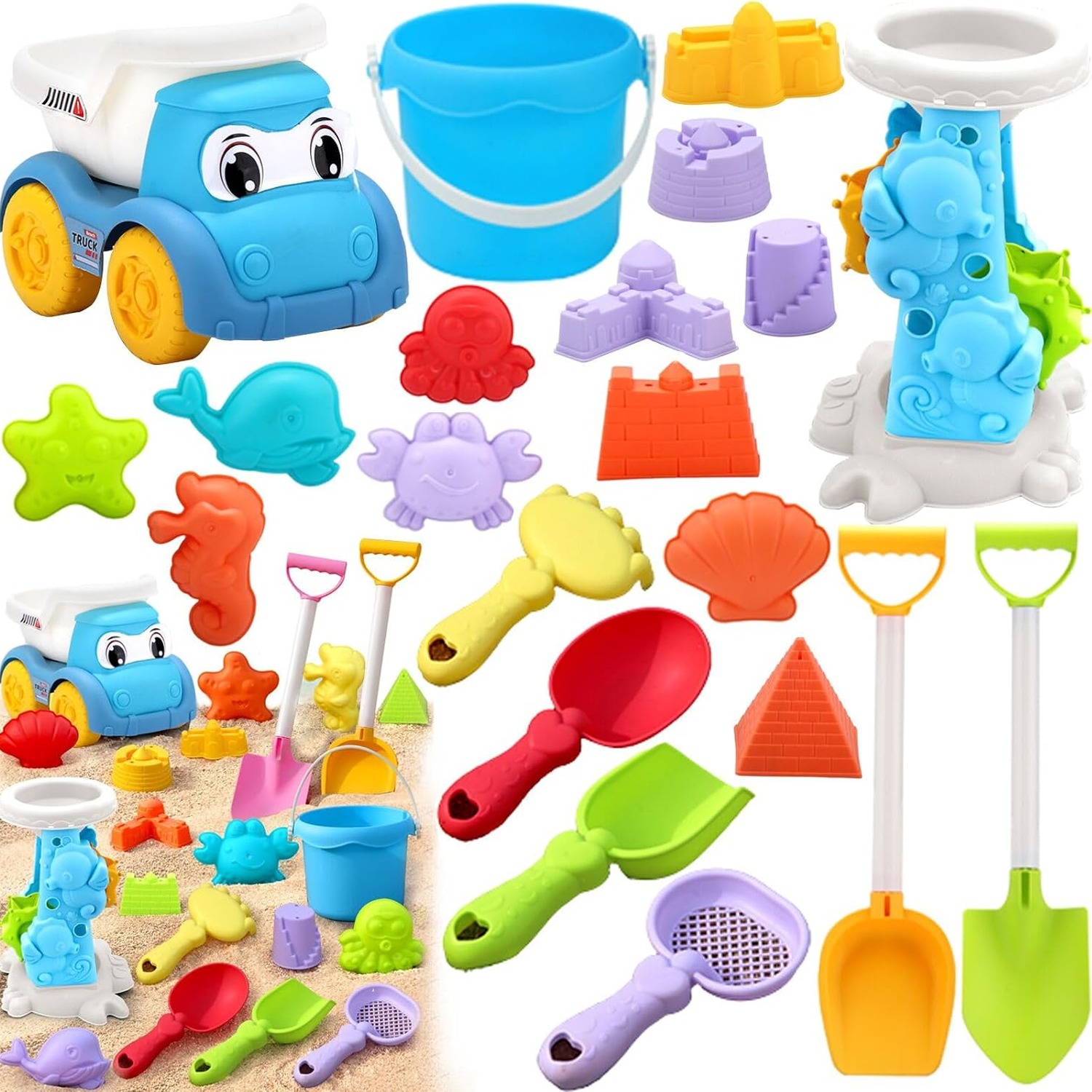
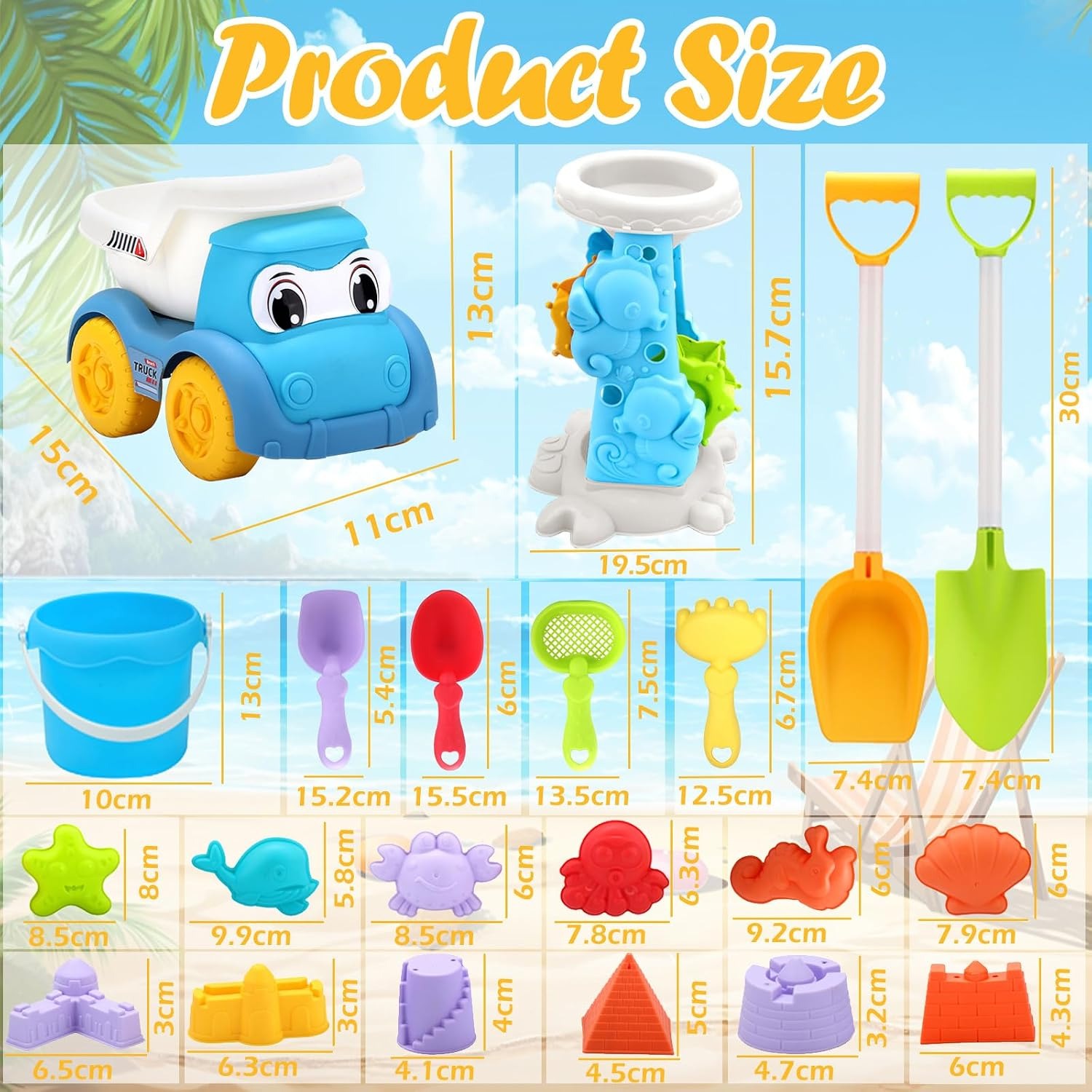
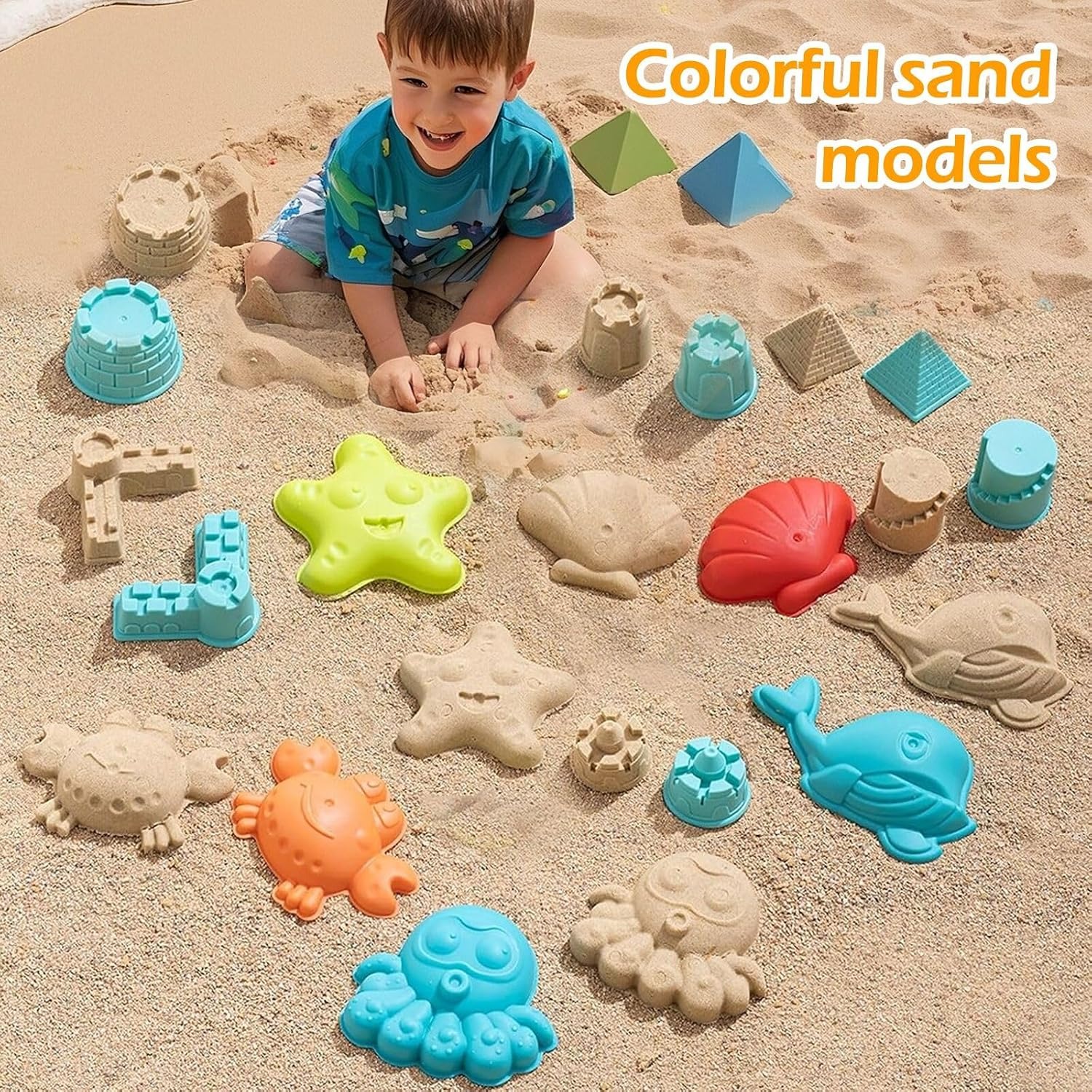
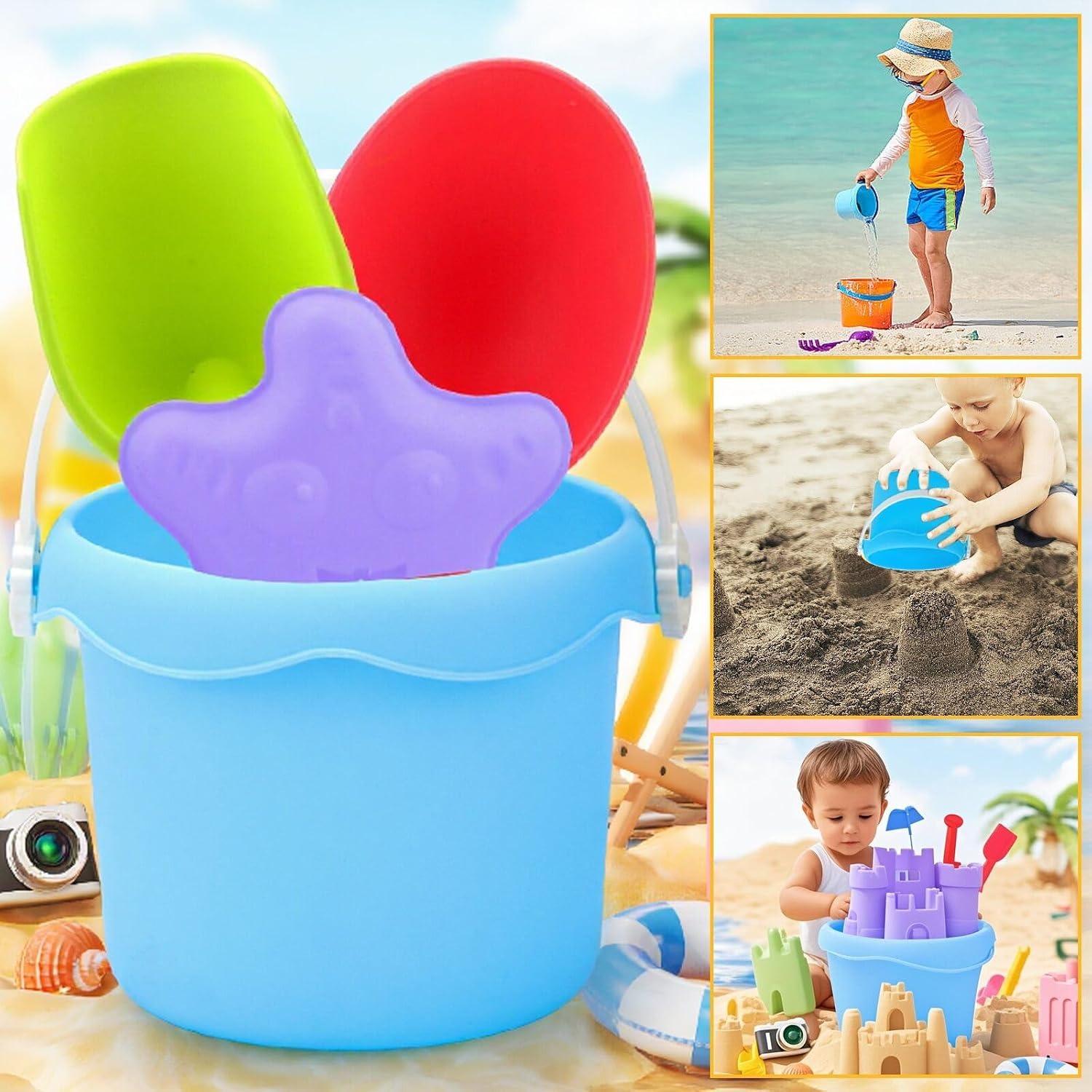
This kit holds twenty plastic pieces. The mix includes beach buckets, shovels, spoons, a sand clock and beach vehicles. That is a spread of three different kinds of play, which is the point.
Digging tools do the work. Shovels and spoons move sand, dig trenches and hollow out moats. Kids will spend a surprising amount of time just moving sand from one place to another, and that is fine.
Moulds and buckets do the shaping. These are what turn a pile into a castle. Press damp sand in firmly, tap the sides, flip it over, lift straight up. Any child who gets that sequence right once will repeat it twenty times.
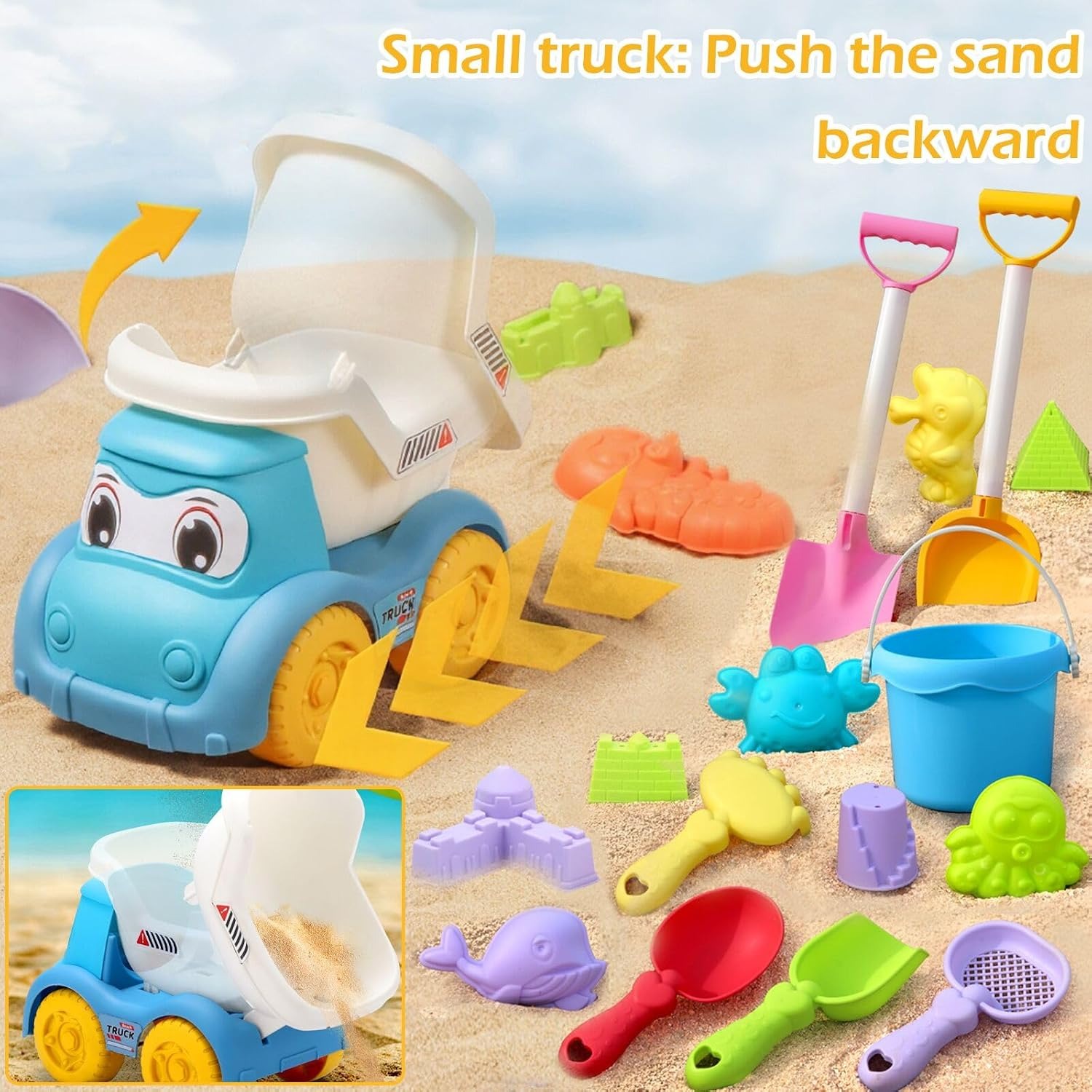
Vehicles and the sand clock do something different again. They are props rather than tools. A beach truck turns a sand pile into a construction site with a story attached, and a sand clock gives younger kids something to watch and refill. That kind of open play keeps going long after the castle has been stepped on.
Who it suits
The maker lists this for three years and up. That is the right call. At three, a child has the grip strength and the coordination to fill a bucket and tip it, and they can usually be trusted not to put sand in their mouth.
Between three and six is the sweet spot. Children in that range are fully absorbed by filling, pouring and moulding, and they do not need much help beyond a bucket of water now and then.
From about seven, the play changes. Older children build bigger structures, dig channels for the tide and use the moulds as components rather than the finished product. They still want the gear, they just use it differently.
It also works for a group. Twenty pieces split between two or three children without anyone being left empty handed, which quietly prevents a lot of arguments. If you regularly take cousins or friends along, a bigger set is worth more than its price difference in peace alone.
Where you can use it
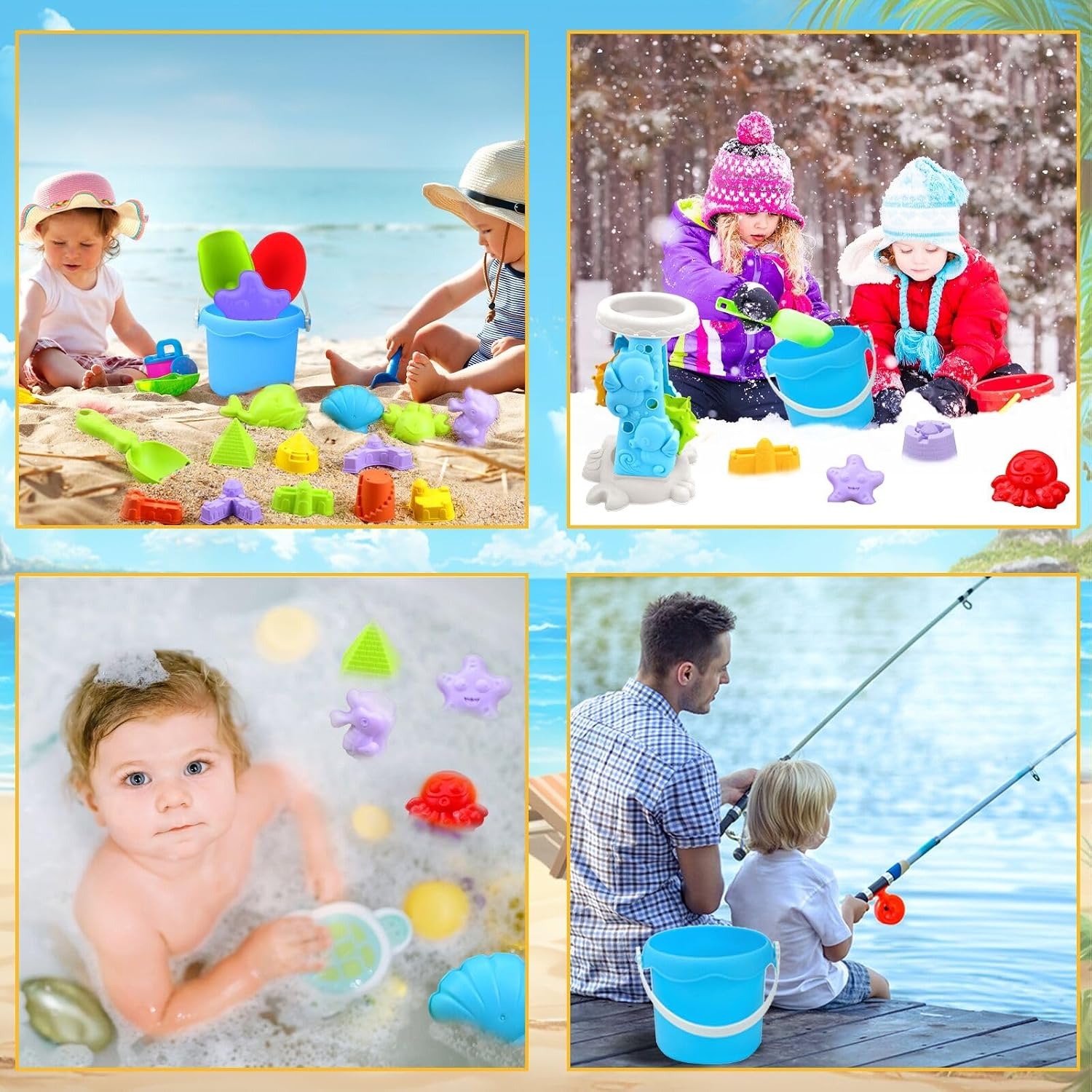
The listing marks this as an outdoor product, and the beach is the obvious home. But the same pieces earn their keep in several other places.
A backyard sandpit is probably where they rack up the most hours. Beach trips are occasional; a sandpit is a Tuesday afternoon. The buckets and moulds work exactly the same in a sandbox as they do by the ocean.
Paddling pools and shallow water are another option. Pouring is one of the earliest forms of play children genuinely love, and buckets and scoops in a few centimetres of water will hold a preschooler's attention for ages. Keep an eye on pieces drifting if there is any current.
Snow works too, if you live somewhere that gets it. Packed snow behaves a lot like damp sand in a mould. Just go gently, because plastic is less forgiving when it is cold.
And on a rainy day, a plastic tub of dry rice or lentils on a tarp indoors turns the same kit into a sensory tray. It is not the intended use, but it saves a lot of bad afternoons.
How to choose a good sand set
If you are comparing options, a handful of things actually matter.
Piece count against your family size. One child can manage with a small set. Two or more needs real duplication of the popular items, particularly shovels, because everyone wants to dig at once.
Handle shape. Young children grip with a whole fist, not finger and thumb. Handles with some thickness and a rounded profile get dropped less. This set is moulded with rounded corners and easy-grip handles, which is a practical detail rather than a marketing one.
Storage. A mesh bag is the quiet hero of any sand toy purchase. Sand sifts out through the weave as you walk to the car, water drains rather than pooling, and you can hose the whole thing down at an outdoor tap and hang it to dry. A solid plastic bag does none of that and smells like a swamp by the next weekend.
Mould variety over mould novelty. A few simple, deep shapes will be used far more than one elaborate licensed-character mould. Simple shapes stack, release cleanly and combine into bigger builds.
Getting the most out of it
A few things make sand play go better, and none of them cost anything.
Use damp sand. This is the single biggest factor. Dry sand will not hold any shape, so take a bucket to the waterline and wet the sand you are working with. Kids figure this out fast, but it is worth showing them once.
Pack the mould hard. Half-filled moulds collapse on release. Press firmly, level the top with the edge of a spoon, then tap the sides before flipping. A clean release feels like magic to a small child and makes them want to do it again.
Build near the water, but not too near. Close enough that wet sand is a short walk away, far enough that the tide does not take the castle out in ten minutes. A moat gives the water somewhere to go and buys you more time.
Count the pieces before you leave. Twenty is a lot to lose track of. A quick count against the bag saves you finding out two weekends later that the sand clock is somewhere under a dune.
Looking after the set
Salt is what kills plastic beach toys, not the kids. Rinse everything in fresh water when you get home, shake out the excess and let it air dry properly before it goes back in the bag. The mesh bag makes this easy because you can rinse the lot in one go and hang it on a hook.
Store it out of the sun. Months of UV makes plastic chalky and brittle, and that is when handles snap. A garage shelf or a cupboard will keep a set going for seasons longer than a sunny deck will.
Give the pieces a quick look over before each trip. If anything has cracked or split, take it out of the bag. There are nineteen other pieces and a rough edge is not worth the risk.
The short version
A twenty piece plastic set with buckets, shovels, spoons, a sand clock and beach vehicles covers digging, moulding and imaginative play in one bag. It suits children from three years, splits easily between siblings, and works just as well in a backyard sandpit or a paddling pool as it does at the coast.
The mesh bag is the part people underestimate. Sand drains, water drains, and the whole kit rinses and dries in one piece, which is why this set is more likely to survive to a second summer than the odd bits and pieces you collect along the way.
Rinse it after every outing, keep it out of the sun, and it will keep earning its place in the car boot.