
The complete guide
The Honest Buyer's Guide to Bulk Building Bricks
The problem with most brick collections
Ask any parent who has bought building toys and you will hear the same story. The themed kit arrives, it gets built once in a weekend, and then it sits on a shelf because taking it apart feels like undoing the achievement. Or worse, it does get taken apart, the pieces scatter into the general tub, and now there is a half-finished something with no instructions and no hope.
The second version of this story is more interesting. Once the specialised pieces are mixed into a general pile, kids start making their own things. And that is when the real shortage shows up. There are never enough plain bricks. Not the fancy curved roof tiles or the printed control panels, just the ordinary rectangles that walls and floors are made of.
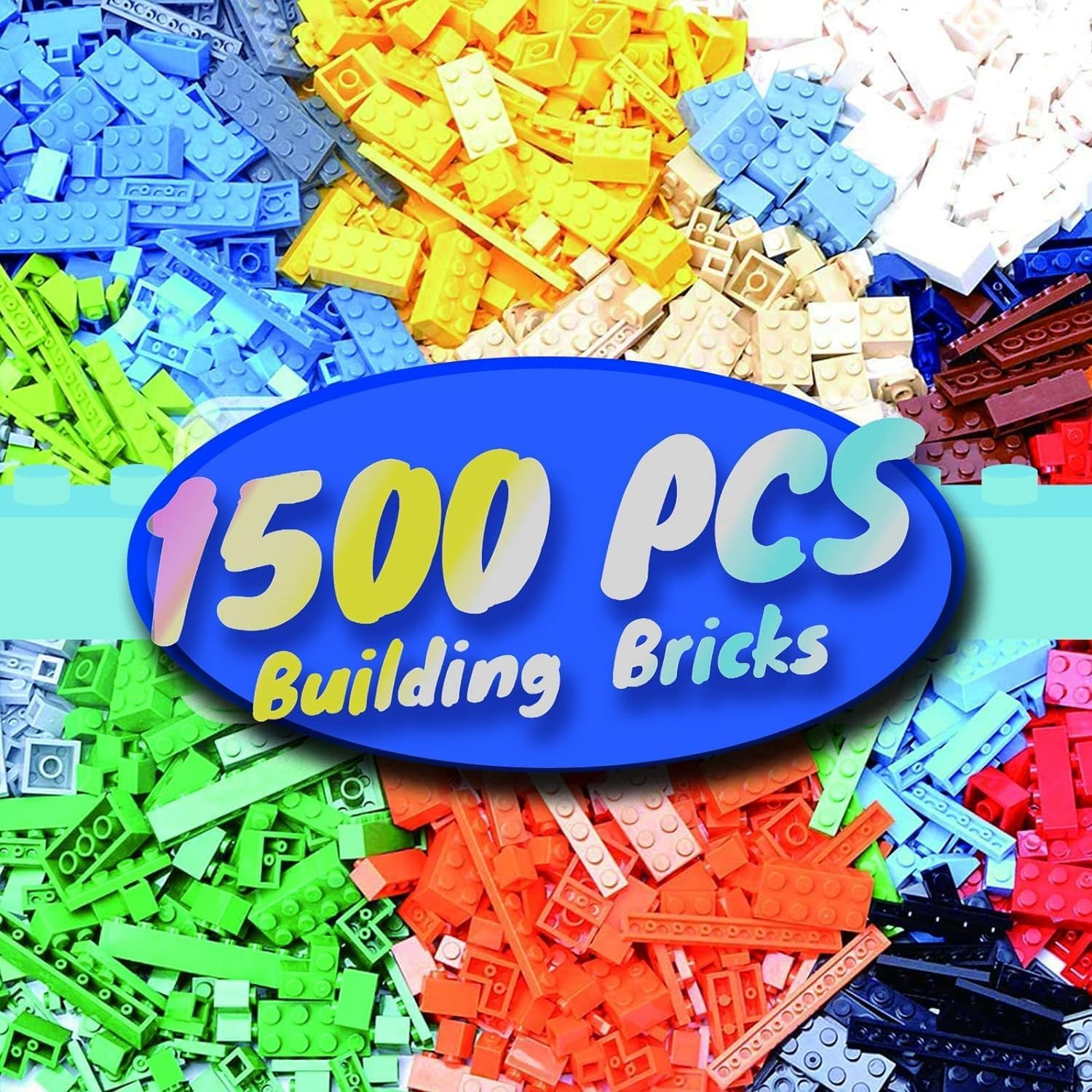
A set of 1500 classic building bricks is the answer to that shortage. It is not exciting on the box. It is extremely useful on the floor.
How interlocking bricks actually work
The whole system rests on one bit of engineering. Each brick has studs on top and hollow tubes underneath, and the tubes grip the studs by friction. Get the measurements right by a fraction of a millimetre and bricks click together and stay. Get them wrong and the build wobbles apart or, just as annoying, the pieces are impossible to separate.
This is why the material matters. These bricks are moulded from ABS plastic, which is rigid and holds a precise edge through repeated moulding. Softer plastics round off over time, and a rounded stud stops gripping. ABS is also why a brick that gets stood on usually survives. The manufacturer describes the plastic as non-toxic.
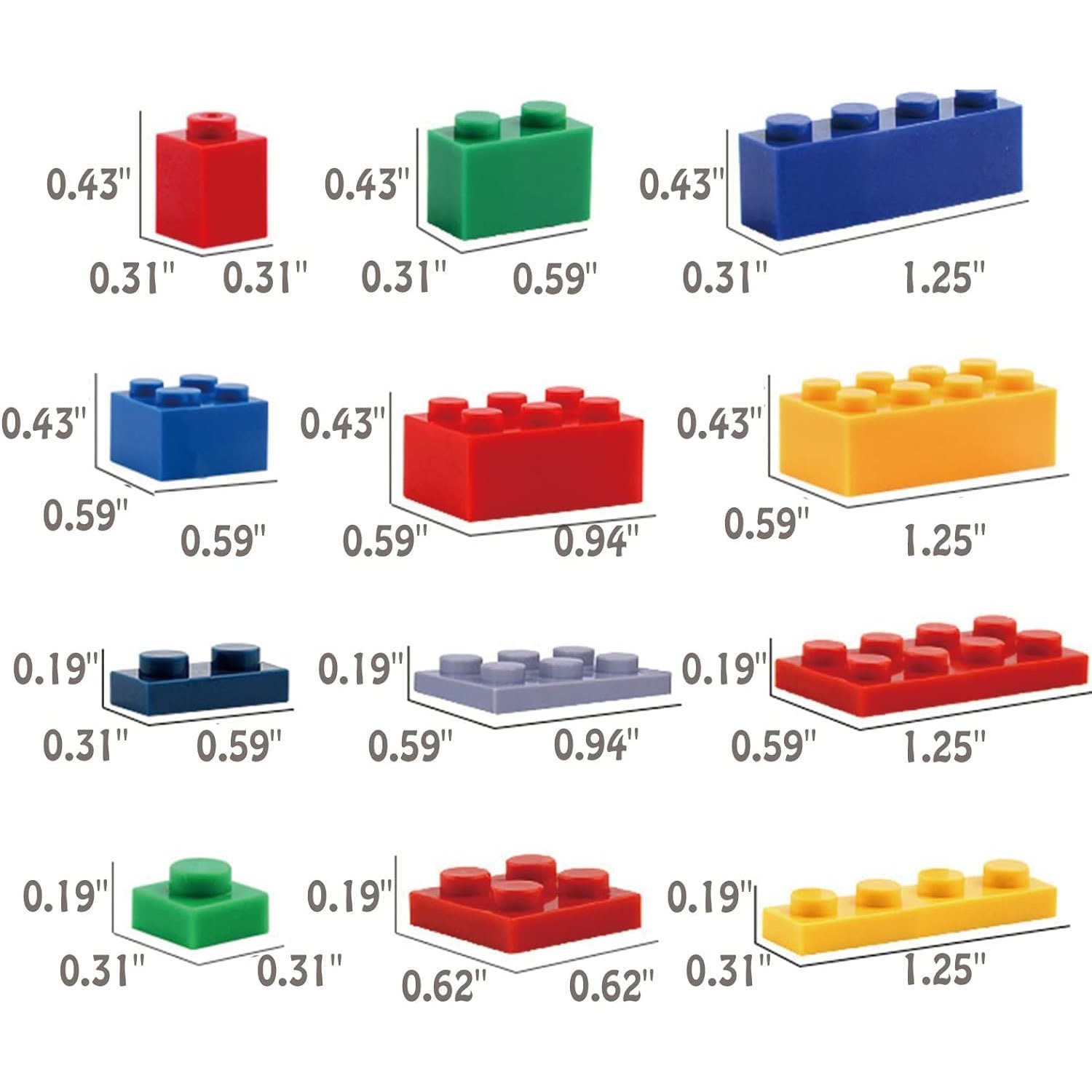
Compatibility follows from the same standard. Because this set is made to the common brick dimensions, it works with major brick brands. That means you are not starting a separate, incompatible collection. You are adding volume to the one you already have.
Who this set suits
The manufacturer recommends ages 6 and up, and that feels about right. By six, most kids can hold a plan in their head for longer than a few minutes, which is what open-ended building asks for. They can also manage the grip strength needed to pull bricks apart without getting frustrated.
It suits three groups particularly well.
The child who already has branded sets and keeps running out of plain pieces. This is the clearest case. The compatibility means the new bricks disappear straight into the existing system.
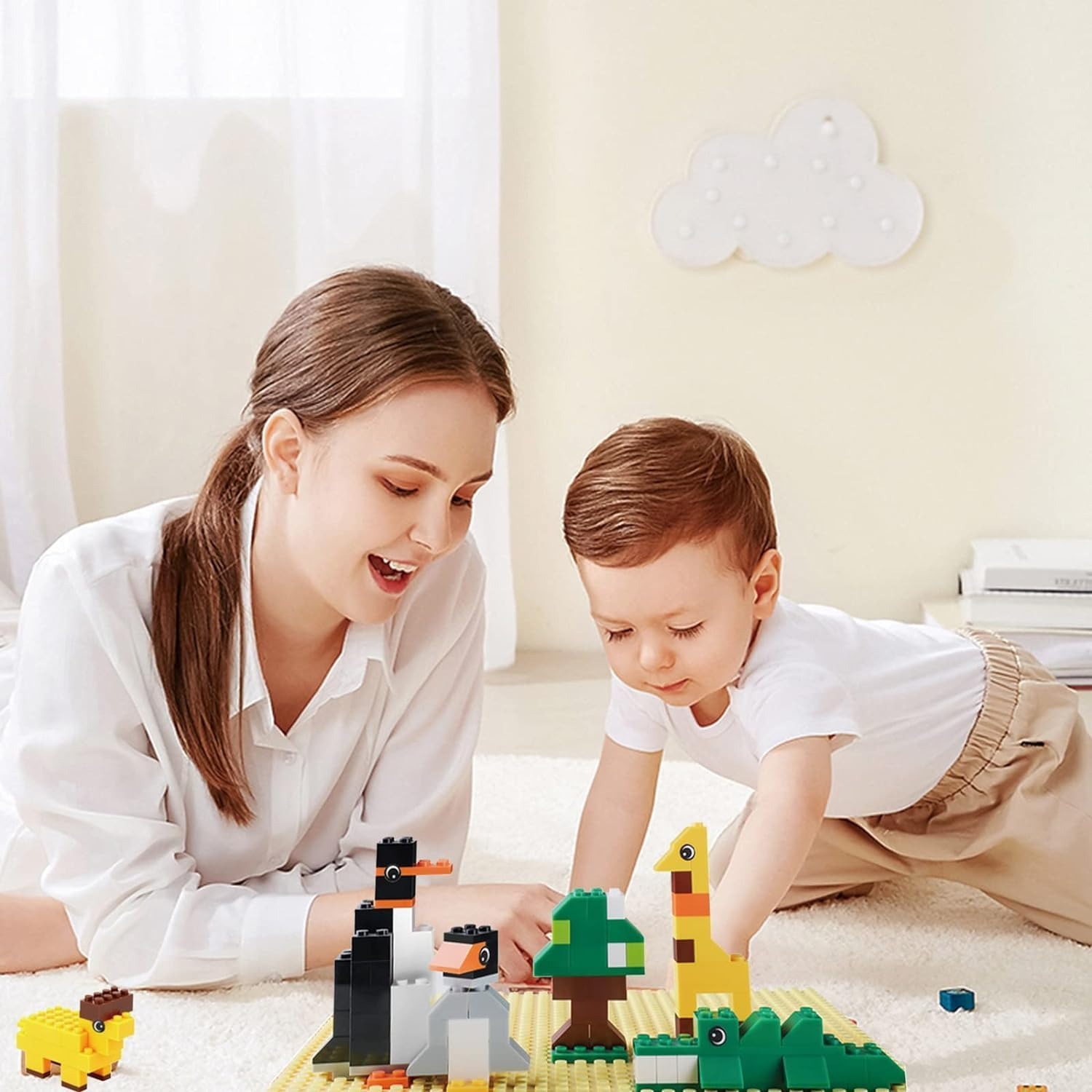
The child who is just starting out. A bulk box is a better first purchase than a themed kit, because it does not lock them into one story or one finished model. If they get bored of castles, they build a car.
Households with more than one kid. 1500 pieces splits reasonably between two or three builders. Put the bricks into separate trays first and the sharing arguments mostly vanish.
It suits one group less well. Children under three should not have this set, because small pieces are a choking hazard. For that age, larger chunky blocks are the right call.
Choosing between a bulk box and a themed kit
These two kinds of building toy teach different things, and it helps to be honest about that.
A themed kit teaches sequence. Follow step 47, then step 48, and at the end you have the thing on the box. There is real value in that. Kids learn to read diagrams, follow instructions carefully, and finish what they started. The reward is clear and immediate.
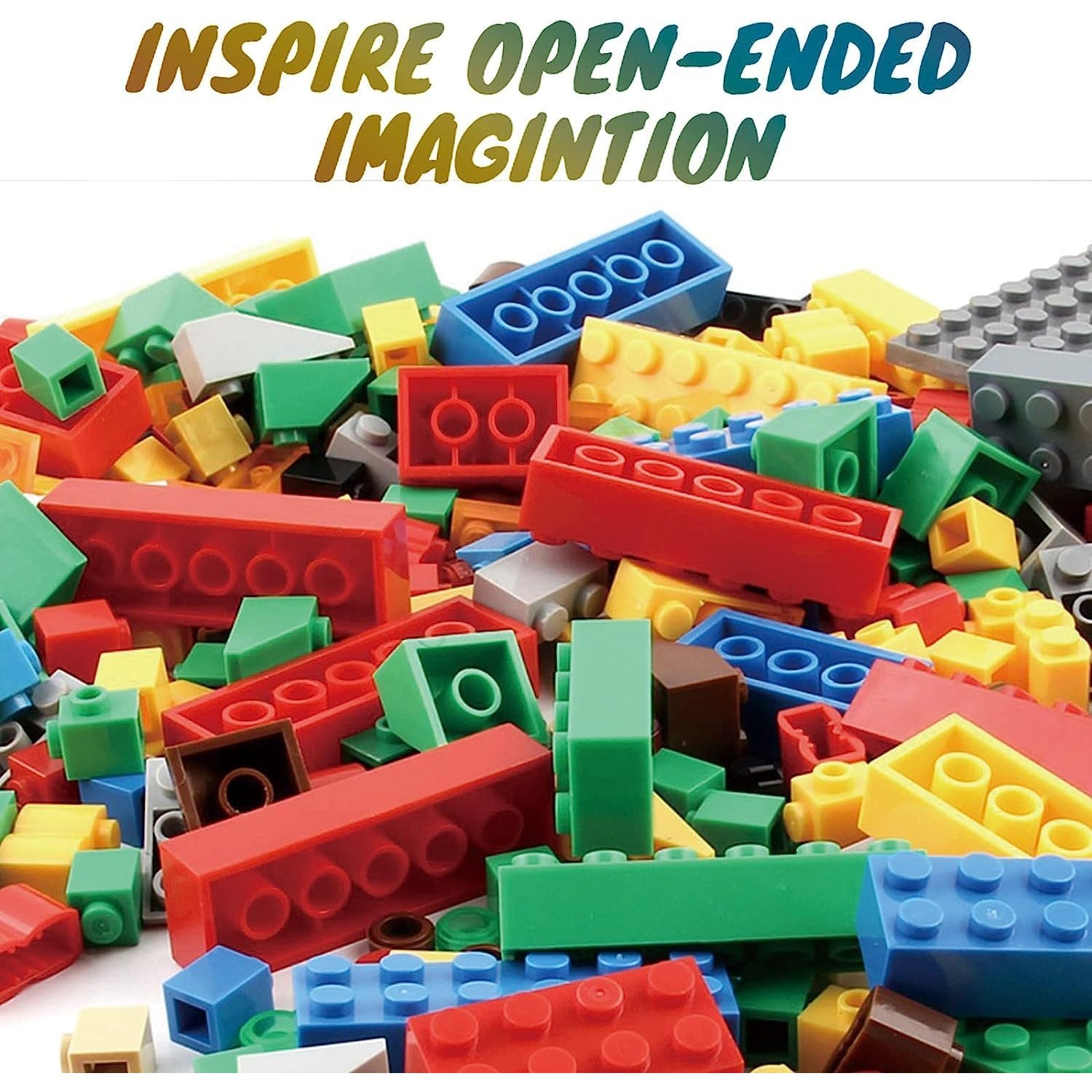
A bulk set teaches invention. There is no step 47. The child has to decide what to make, discover that their roof will not stay up, and then work out that a supporting wall solves it. That failure-and-fix loop is the whole point. It is slower and quieter at the start, and some kids find the blank page intimidating for the first session.
Most families want both. If you are buying only one, consider what your child already has. If the shelf is full of kits, buy bricks. If they have a tub of mixed bricks and no sense of direction, a kit might reignite things.
What 1500 pieces actually gets you
Piece count is marketed hard and understood poorly. A kit with 1500 tiny decorative pieces builds a much smaller object than 1500 standard bricks. This set is the second kind, so the volume translates into real structures.
For context, a four-walled house with a roof, windows and a floor will use a few hundred pieces. A tall tower eats bricks fast because the base has to be wide. A road layout with buildings on either side is where a bulk box really earns its keep, because the boring repetitive parts are exactly what you run out of otherwise.
The practical effect is that a child can leave one build standing and start another. That matters more than it sounds. Having to demolish last week's work to start this week's is a quiet reason kids stop playing with bricks.
Colours, and why they matter more than you think
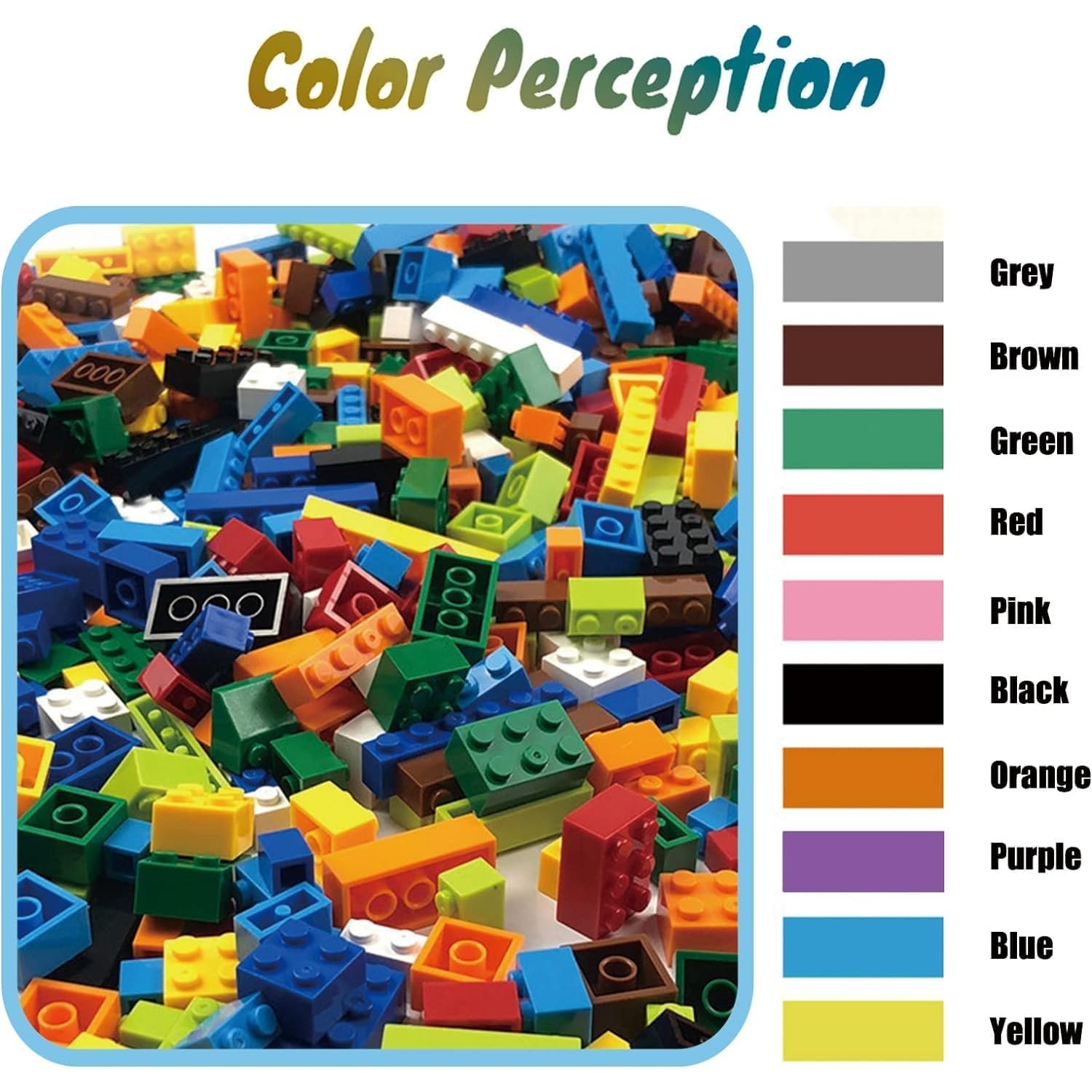
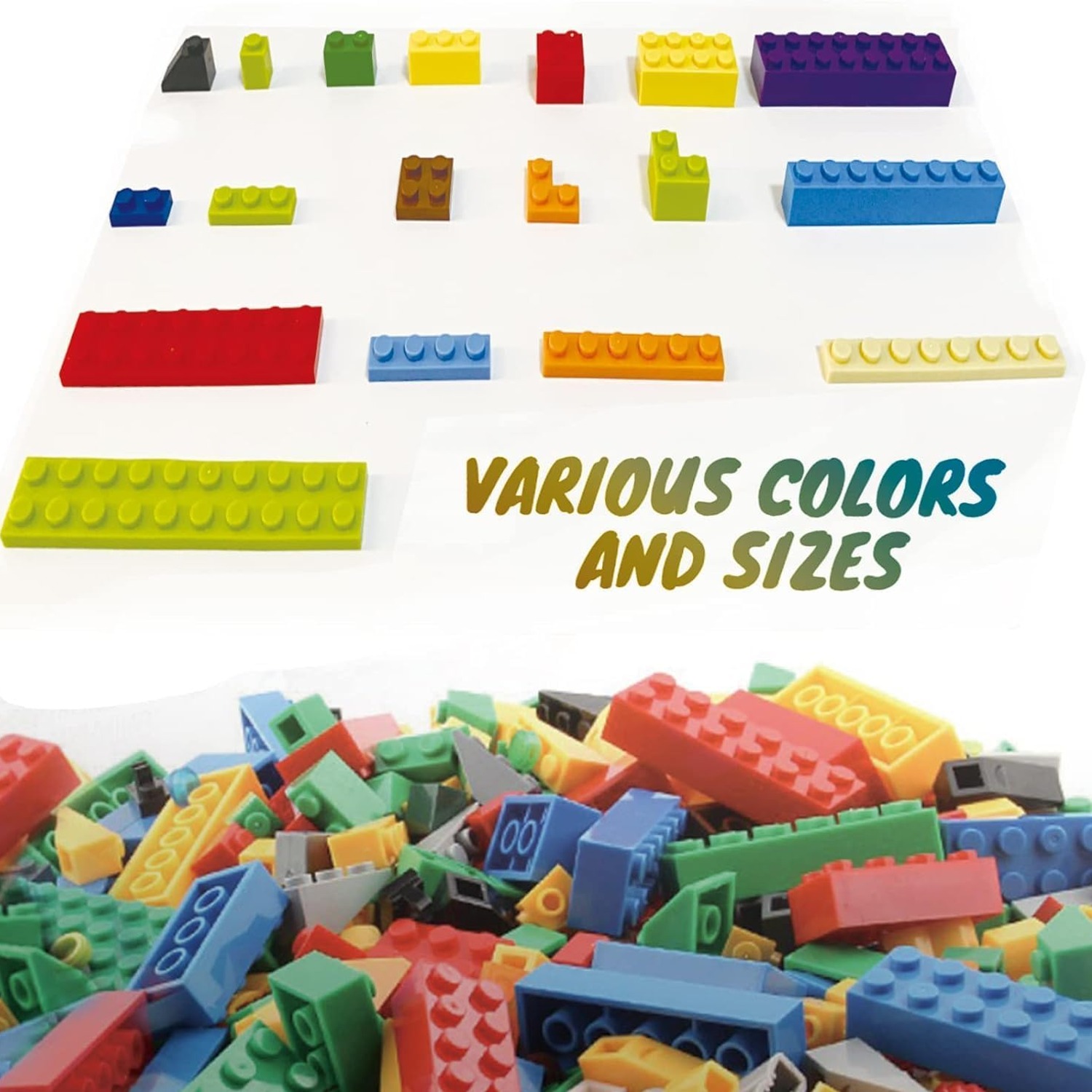
Ten assorted colours gives enough range to build something that reads clearly. A grey road looks like a road. A red roof looks like a roof. When a set has only three or four colours, builds end up looking like abstract blobs and kids lose interest faster.
The exact count of each colour is not listed for this set, which is normal for bulk boxes. If a child is planning a specific colour scheme, it is worth sorting the bricks into colour piles first so they know what they are working with. That sorting session is also, oddly, something a lot of kids enjoy.
Storage, cleaning and keeping the set alive
The single biggest factor in whether a brick set survives the year is storage. Deep buckets are a mistake. Kids dig, give up, and tip everything onto the carpet. A wide shallow tub with a lid works far better, because the pieces are visible and reachable.
A drawstring play mat is the other upgrade worth considering. Build on the mat, pull the cord, done. It turns cleanup from a ten-minute argument into a ten-second job.
For cleaning, warm water and a little mild soap is all that is needed. Rinse, then spread the bricks on a towel to dry completely before they go back in the tub. Skip the dishwasher and anything else that uses heat, because heat can warp ABS and a warped brick stops clicking. Check occasionally for cracked pieces and take them out.
The bricks themselves are low maintenance. There is nothing to charge, no batteries, no app, no firmware. The operation mode is manual, which in 2026 is a feature rather than a limitation.
A note on gifting
Bulk bricks make a safer gift than most toys because they do not depend on the child liking a particular character. Themes date quickly. A plain brick does not.
They also age well in the other direction. A six year old builds houses. The same child at ten builds something with moving parts and a story behind it. Few toys stretch that far.
If you want the gift to feel bigger, pair the box with a cheap baseplate or a storage tub. Together they look like a proper setup rather than just a box of plastic.
The short version
This is 1500 interlocking ABS bricks in 10 colours, compatible with major brick brands, recommended for ages 6 and up. It weighs 1.3 kg and ships in a box measuring 35.5 x 29 x 4.5 cm. There are no instructions, no electronics and no single model to build.
If your child already has bricks and keeps running out of the plain ones, this fixes that. If they are starting from nothing, it gives them a foundation that themed kits can be added to later. And if they are the kind of kid who takes things apart to see how they work, 1500 pieces is a good place to let them.